

What Drives Eco-Friendly Practices in Assisted Living Communities?
Eco-friendly practices in assisted living communities are guided by the desire to create a healthier environment for residents while reducing the facility’s impact on local resources. These efforts are shaped by factors like local regulations, public awareness of environmental issues, and the needs of older adults who may be especially sensitive to indoor air quality and temperature changes.
In Orwigsburg, the balance between rural surroundings and seasonal weather creates unique challenges and opportunities for sustainability. Residents and their families often ask how modern communities can lessen their environmental footprint without compromising comfort or care.
How Do Assisted Living Communities Manage Energy Efficiently?
Energy efficiency is a top priority, both for environmental reasons and to keep operating costs manageable. Assisted living communities in the region typically address energy use by:
- Installing LED lighting and energy-efficient appliances
- Upgrading insulation and windows to retain heat in winter and keep cool in summer
- Using programmable thermostats so common areas are comfortable but not wastefully heated or cooled
Geographically, Orwigsburg’s cold winters and warm, humid summers mean heating and cooling are two of the largest energy demands. Modern buildings often feature well-sealed doors, insulated roofs, and policies to keep windows closed when heating or air conditioning is active. Staff may also monitor thermostats to prevent drastic temperature fluctuations that could affect residents’ health or comfort.
Are Water Conservation Efforts Common?
Water conservation practices are increasingly standard in local assisted living communities. Many facilities incorporate:
- Low-flow faucets, toilets, and showerheads in resident bathrooms
- Sensors or scheduled watering systems for outdoor landscaping to avoid waste
- Rain barrels or other catchment systems, beneficial during seasonal rains or drought concerns
In the Orwigsburg area, unpredictable rainfall and the risk of dry spells have led to a greater appreciation for careful water use. Some residences encourage residents to report leaks quickly or participate in water-saving activities like using shorter wash cycles in laundry rooms.
What Types of Recycling and Waste Reduction Are Practiced?
Waste reduction goes beyond basic recycling. Most modern communities strive to recycle paper, plastic, cardboard, and cans through clear sorting instructions and convenient bins throughout the building. Some also promote:
- Composting food scraps from dining areas when possible
- Centralized mail and package areas to limit individual paper waste
- Reusable dining ware rather than single-use plastic or foam items
Residents sometimes wonder if recycling makes a noticeable difference in a community setting. While local recycling options vary, staff education and clear signage help ensure more items are diverted from landfills.
How Do Local Facilities Create Healthier Indoor Environments?
Sustainable communities often prioritize indoor air quality and safe cleaning practices. Examples include:
- Using non-toxic, low-VOC paints and finishes during renovations or repairs
- Choosing cleaning products that are fragrance-free or certified eco-friendly to reduce resident sensitivities
- Installing air filtration systems and encouraging regular maintenance of HVAC equipment
Because assisted living communities serve people who may have respiratory conditions or allergies, improvements in air quality are often noticed by residents.
Do Garden Spaces and Native Landscaping Play a Role?
Outdoor garden areas benefit residents’ quality of life and promote biodiversity. Eco-minded communities favor:
- Native plants that need less watering and attract local pollinators
- Trees positioned to provide natural shade, lowering cooling costs
- Community gardens where residents can grow herbs or flowers using organic methods
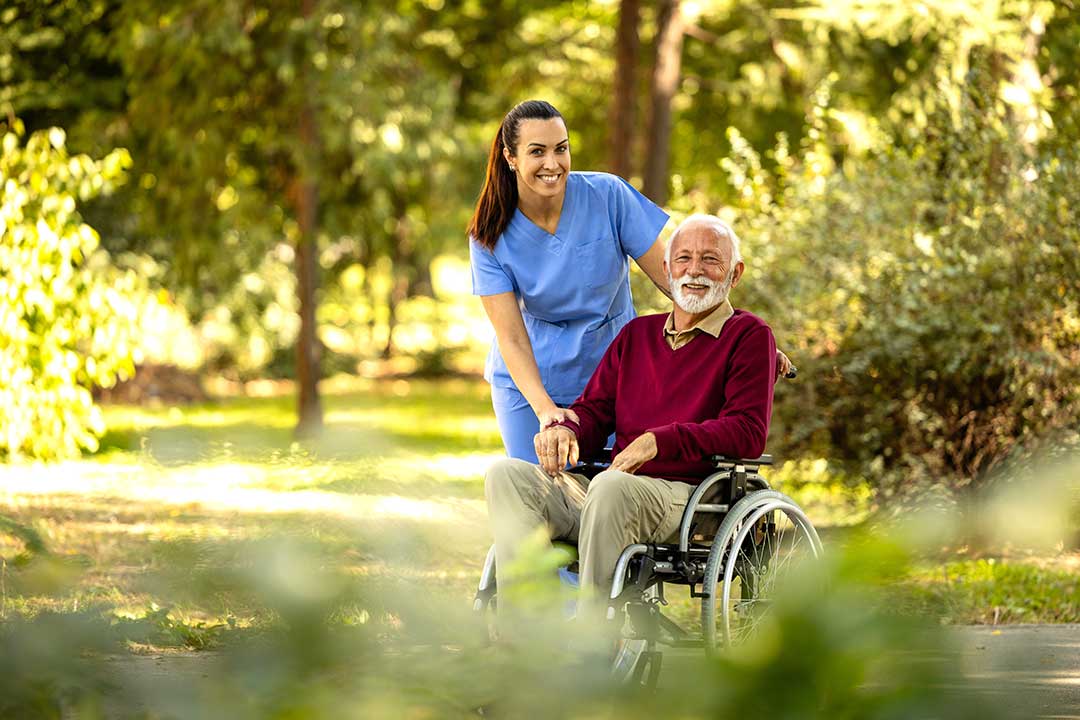
In rural and semi-rural settings like Orwigsburg, garden projects may double as opportunities for socialization or light exercise. Plant selection often reflects the local climate — perennial flowers, shade trees, and hardy shrubs that thrive with minimal chemical fertilizers or pesticides.
Are Residents Part of Eco-Friendly Initiatives?
Resident participation is an essential part of sustainable living in group settings. Common ways residents take part include:
- Attending workshops about recycling, composting, or seasonal gardening
- Sharing responsibilities for tending community plants or gardens
- Supporting clothing, electronics, or medication take-back programs to keep hazardous waste out of landfills
Some residents may remember or have practiced conservation long before moving to an assisted living community. Their experience and suggestions often shape the success of local eco-friendly efforts.
What Are the Most Overlooked Factors When Implementing Sustainability?
Successful sustainability in assisted living hinges on practical, consistent actions. Challenges commonly overlooked include:
- Ongoing staff training to maintain eco-friendly practices as procedures change
- Balancing cost with environmental benefits, especially when upgrades have a long payback period
- Ensuring new initiatives do not disrupt daily routines or resident comfort
Seasonal extremes in the region can make it difficult to use exclusively air-drying for laundry or to fully rely on natural ventilation, especially for residents who might be vulnerable to temperature swings. Sustainability is more about incremental improvements than drastic changes.
How Can Residents and Families Support These Efforts?
Residents and family members can help maintain sustainability by:
- Learning about the facility’s specific policies and sharing any concerns or ideas for improvement
- Participating in community events that highlight conservation
- Being mindful of daily habits — like turning off lights when leaving a room, conserving water, or properly sorting waste
In many cases, small collective actions by residents support larger environmental goals, helping assisted living communities move toward greener operations year by year.
