
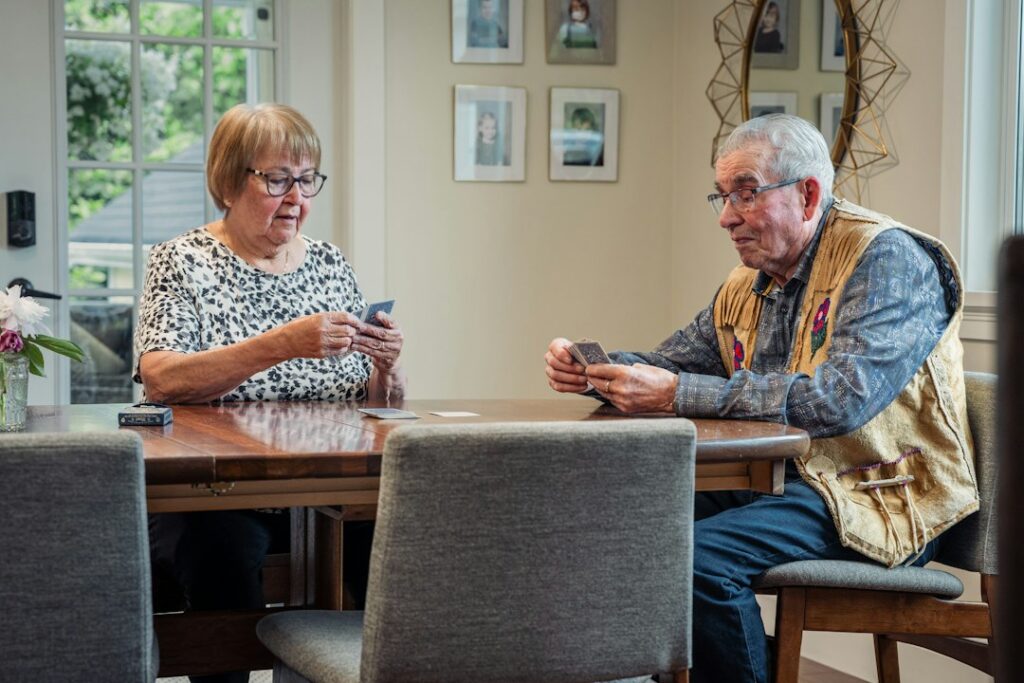
Choosing between assisted living and a nursing home usually depends on the amount and type of care a person needs—not simply on age or diagnosis. Assisted living generally supports people who need help with daily routines but do not require continuous skilled nursing. Nursing homes are designed for people with significant medical, rehabilitation, or supervision needs that cannot be safely managed in a less intensive setting.
For families in Orwigsburg, understanding the difference early can make planning less stressful, especially when health needs change quickly after a hospital stay, fall, or serious illness.
What is the main difference between assisted living and a nursing home?
Assisted living is primarily a residential setting with personal care support. A nursing home is a medical-care setting with ongoing nursing services and closer clinical oversight.
Assisted living may help with:
- Bathing, dressing, grooming, and toileting
- Medication reminders or assistance
- Meals, housekeeping, and laundry
- Walking, transfers, and other daily activities
- Transportation arrangements
- Social activities and supervision
A nursing home may provide those services as well, but also offers a higher level of medical care. This can include wound care, complex medication management, rehabilitation after illness or surgery, monitoring for unstable conditions, and assistance for people who cannot safely transfer, eat, or manage basic needs without substantial support.
The terms can be confusing in Pennsylvania. Personal care homes and assisted living residences are residential settings licensed through the state’s Department of Human Services. Nursing homes are medical facilities licensed through the Department of Health and subject to state and federal requirements.
Who is usually a good fit for assisted living?
Assisted living may be appropriate for someone who can no longer manage safely at home but still has some independence and does not need 24-hour skilled nursing care.
Examples may include a person who:
- Has difficulty preparing meals or maintaining a safe home
- Needs help showering, dressing, or managing medications
- Has reduced balance or mobility but can move with assistance
- Benefits from regular meals, activities, and supervision
- Needs reminders and structure because of mild cognitive changes
- Is isolated at home or cannot reliably respond to emergencies
Assisted living is not limited to people who are physically frail. A person with early memory loss, diabetes, arthritis, or several chronic conditions may benefit if the setting can safely provide the required support.
Pennsylvania assisted living residences may be able to serve people with higher needs than traditional personal care homes, particularly when supplemental health services are available. However, each residence has its own admission criteria, staffing model, service packages, and limits.
Who may need a nursing home?
A nursing home may be more suitable when a person requires regular skilled nursing or cannot be safely cared for in a less medical environment.
Common examples include:
- Ongoing care for serious wounds or complex medical conditions
- Frequent nursing assessments
- Extensive help with transfers, eating, or repositioning
- Recovery and rehabilitation after a major illness, injury, or surgery
- Advanced neurological conditions that affect mobility or safety
- Severe cognitive impairment with wandering, aggression, or unsafe behaviors
- Medical needs that require dependable monitoring throughout the day and night
A nursing home can provide short-term rehabilitation or long-term care. These are not always permanent placements. Someone may enter for therapy after a hospitalization and later return home, move to assisted living, or remain in skilled care if needs continue.
Is assisted living less expensive than a nursing home?
Assisted living often costs less than nursing home care, but the actual difference depends on the services required, room type, medication needs, and whether care is charged as a flat rate or by service level.
Assisted living is commonly paid through private funds, pensions, Social Security, savings, long-term care insurance, or other benefits. Medicare generally does not pay for long-term custodial care in assisted living.
Nursing home costs may also be paid privately, but Medicaid can help eligible residents with nursing facility care. Medicare may cover certain short-term skilled nursing services after a qualifying hospital stay, when coverage requirements are met. It does not generally pay for indefinite custodial nursing home care.
Families should ask for a written breakdown of:
- Monthly room and service charges
- Medication management fees
- Personal care costs
- Therapy charges
- Supplies and transportation
- Additional fees for increased care
- What happens if needs become more complex
A lower starting price does not always remain lower after additional services are added.

How do daily life and privacy compare?
Assisted living usually feels more like a residential community. Residents may have private apartments or rooms, shared dining areas, scheduled activities, and more freedom to organize their routines.
Nursing homes are structured around care delivery and medical supervision. Residents may have private or shared rooms, scheduled therapies, nursing rounds, and more frequent clinical interventions.
Neither setting is automatically better. The right environment depends on whether the person values independence and residential living or needs the safety and medical support of a nursing facility. Families should also consider noise, room layout, dining routines, outdoor access, visiting policies, and how the setting accommodates personal belongings.
What about memory loss or dementia?
Memory loss alone does not automatically mean a nursing home is necessary. Some people with dementia live safely in assisted living, particularly when they need reminders, supervision, help with routines, or a secure environment.
A nursing home may be needed when dementia is accompanied by medical instability, frequent falls, inability to eat safely, significant behavioral symptoms, or care needs that exceed the residence’s staffing and safety capabilities.
Ask specifically about dementia care rather than assuming any assisted living residence can manage every stage of the condition. Important questions include whether staff receive dementia-related training, how nighttime supervision works, how wandering is addressed, and what changes would require a move.
How can families judge the right level of care?
Start with an honest review of what happens during a normal week, not just what the person can do on a good day.
Consider:
- Can the person take medications correctly?
- Can they get to the bathroom safely at night?
- Have there been falls, fires, missed meals, or unsafe driving incidents?
- Can they summon help during an emergency?
- Does someone need to provide hands-on assistance?
- Are medical needs stable or changing rapidly?
- Can family caregivers realistically provide the required support?
A physician, nurse, hospital discharge planner, or licensed care professional may be needed when the care level is unclear or safety is in question. A detailed assessment is especially important after hospitalization or a sudden decline.
What should Orwigsburg families ask before choosing?
Pennsylvania families should verify that a residence is properly licensed and ask to review the admission agreement, care plan process, staffing information, inspection history, and discharge policies.
Useful questions include:
- What care can staff provide overnight?
- Is a nurse available on site, on call, or neither?
- How are falls and medication errors handled?
- What happens if the resident needs more help later?
- Are outside home health or hospice services permitted?
- How are snow, ice, power outages, and transportation handled?
- Can residents continue seeing their preferred doctors?
- What are the rules for emergency transfers to a hospital?
Seasonal weather is worth discussing in this area. Ice, snow, and shorter winter days can affect mobility, appointments, outdoor activity, and family visits. A setting’s emergency plan and transportation procedures may matter as much as its everyday amenities.
The most appropriate choice is the setting that can safely meet current needs while offering a realistic plan for likely changes. Assisted living may provide needed support without unnecessary medical intensity, while a nursing home may be the safer option when skilled care and continuous supervision are required.
